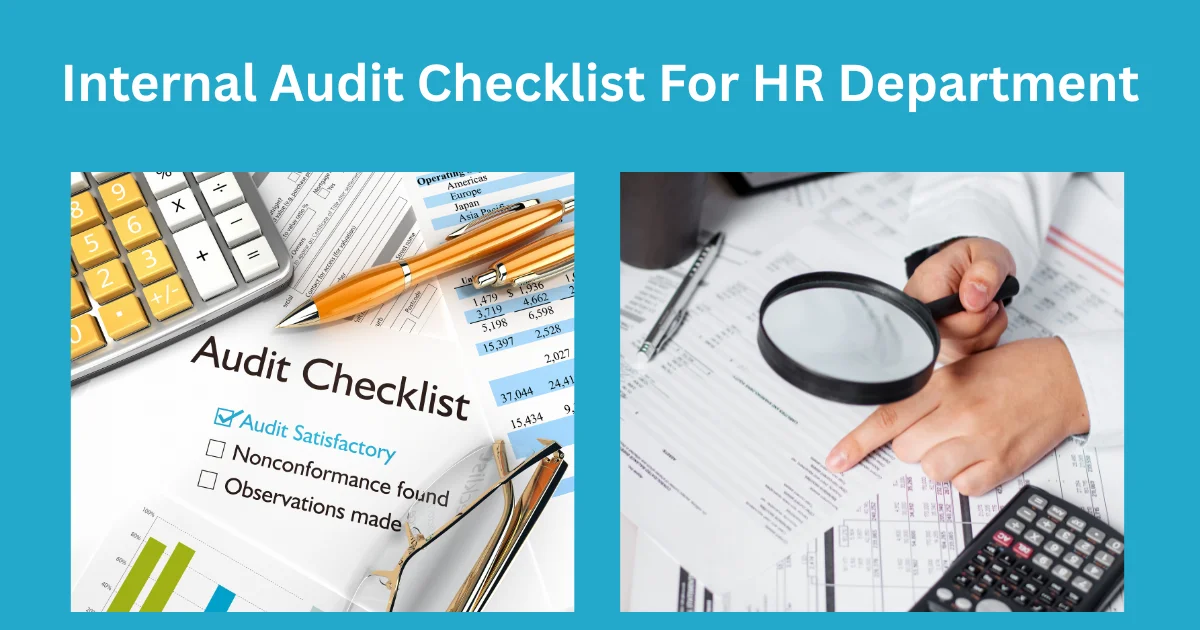
An Internal Audit Checklist for HR Department is an essential tool that helps businesses maintain compliance, improve HR operations, and strengthen workforce management. A comprehensive HR audit allows organizations to evaluate their HR policies, procedures, employee records, and internal controls against legal requirements and ISO standards.
By reviewing key HR functions regularly, businesses can identify compliance gaps, reduce operational risks, and improve overall organizational performance.
At Qualitas Consulting, we help organizations across Qatar conduct effective HR internal audits, strengthen compliance, and prepare for successful ISO certification through practical consulting and expert guidance.
What Is an Internal Audit Checklist for an HR Department?
An HR internal audit checklist is a systematic tool that helps companies assess the adequacy of their human resources policies, procedures and records to meet legal requirements, company standards and international best practices. A human resources audit is about how employees are managed through their employment journey, not a financial audit.
The ultimate HR internal audit checklist includes all the core HR functions such as recruitment, onboarding, payroll, employee relations and exit procedures. It also reviews whether the HR department is in compliance with internal policies and Qatar Labour Law requirements.
For businesses in Qatar, regular HR audits do more than reduce legal risks. They improve operational consistency, support ISO management systems, and help organizations build a workplace where employees and management work together effectively.
Purpose of an HR Internal Audit
Every organization relies on people, policies, and processes to achieve its goals. Over time, however, documentation may become outdated, procedures may drift from approved practices, and regulatory requirements may change. An HR internal audit identifies those gaps before they affect business performance.
The primary objective of an audit is to evaluate whether internal HR controls are functioning as intended. It measures compliance, verifies documentation, and confirms that HR activities align with business objectives.
An effective audit also helps organizations:
- Evaluate HR audit procedures
- Improve HR operational audit performance
- Strengthen employee file management
- Reduce legal and operational risks
- Support continual improvement initiatives
- Increase organizational transparency
Instead of treating audits as inspections, successful companies use them as improvement tools that encourage better decision-making.
How It Supports ISO Compliance
Many organizations in Qatar pursue ISO certifications such as ISO 9001 because customers increasingly expect consistent quality management. Human resources play a vital role in maintaining those standards.
ISO 9001:2015 requires organizations to demonstrate employee competence, maintain documented information, and support continual improvement. An ISO 9001 internal audit checklist for the HR department helps verify whether HR processes satisfy these requirements.
For example, an audit may examine:
| HR Area | ISO Focus |
| Employee competence | Training records and qualifications |
| Recruitment | Competency-based hiring process |
| Document control | Version-controlled HR policies |
| Performance reviews | Employee development evidence |
| Corrective actions | Follow-up on HR issues |
Conducting regular audits also supports HR documentation review, making certification audits smoother and reducing non-conformities.

Benefits for Businesses in Qatar
HR audits provide measurable value regardless of company size. Small businesses improve consistency while larger organizations strengthen governance across multiple departments.
Some of the most significant benefits include:
- Better HR compliance audit outcomes
- Improved employee records audit accuracy
- Stronger HR risk assessment
- Consistent hiring and onboarding practices
- Better workforce planning
- Reduced compliance risks
- Increased employee confidence
- Improved audit readiness
Organizations operating in regulated industries also benefit from stronger documentation, which supports inspections by government authorities and certification bodies.
Why HR Internal Audits Are Essential for Organizations in Qatar
Business regulations continue to evolve. Companies that wait until an external inspection often discover problems too late. Regular HR audits allow organizations to identify weaknesses early and implement corrective actions before they affect operations.
An effective HR department audit creates accountability across the entire employee lifecycle. Rather than focusing only on paperwork, it evaluates whether HR activities support organizational goals while complying with local legislation and international management standards.
For businesses operating in Qatar’s competitive market, internal audits also demonstrate a commitment to quality, transparency, and continuous improvement.
Strengthening Legal and Regulatory Compliance
Employment legislation forms the foundation of every HR department. Organizations must ensure contracts, working hours, leave entitlements, disciplinary procedures, and employee benefits align with the Ministry of Labour Qatar regulations.
An audit verifies whether the organization maintains proper documentation and follows approved procedures. It also confirms that HR policies reflect current legal requirements instead of outdated practices.
Key compliance areas include:
- Employment contracts
- Working hours
- Annual leave
- End-of-service benefits
- Employee records
- Recruitment documentation
- Workplace policies
- Equal employment practices
Maintaining Qatar employment compliance reduces legal exposure while strengthening trust between employers and employees.
Reducing HR Risks
Every HR process carries potential risks. Missing documents, inconsistent hiring decisions, or incomplete personnel files can create operational challenges and legal liabilities.
A structured HR risk assessment helps organizations identify vulnerabilities before they become significant problems.
Common HR risks include:
| Risk Area | Potential Impact |
| Missing personnel files | Regulatory non-compliance |
| Poor recruitment records | Hiring disputes |
| Incomplete training evidence | ISO non-conformities |
| Payroll inaccuracies | Financial penalties |
| Weak disciplinary documentation | Employment claims |
| Poor record retention | Audit findings |
Regular reviews strengthen HR governance by ensuring every process follows documented procedures and established internal controls.
Improving Employee Management
Effective HR management depends on accurate information and consistent processes. Internal audits help organizations evaluate whether employees receive equal treatment throughout their employment journey.
For example, auditors may review the employee onboarding checklist, training records, performance evaluations, and grievance handling procedures. They also assess whether managers apply HR policies consistently across departments.
Areas frequently reviewed include:
- Recruitment audit
- Performance management audit
- Compensation and benefits review
- Attendance and leave audit
- Employee relations audit
- Staff training audit
- Exit interview process
- Disciplinary procedures audit
These evaluations help HR teams improve operational efficiency while creating a more positive employee experience.
Preparing for ISO Certification Audits
Many organizations conduct HR audits because they plan to achieve or maintain ISO certification. Internal audits provide an opportunity to identify non-conformities before an external auditor visits.
For example, an ISO 9001:2015 audit checklist for the HR department examines whether employee competence, documented information, and continual improvement activities satisfy certification requirements.
Preparing early offers several advantages:
- Better document control
- Improved audit confidence
- Faster corrective actions
- Stronger management reviews
- Higher certification readiness
- Reduced external audit findings
Businesses that perform regular internal audits often find certification audits less stressful because their HR systems already operate according to established standards.
Key HR Areas Every Internal Audit Checklist Should Cover
A successful audit goes beyond reviewing paperwork. It examines whether every HR function supports business goals, protects employee rights, and complies with legal and ISO requirements. A well-designed HR audit framework helps organizations review each stage of the employee lifecycle with consistency and accuracy.
The table below highlights the core areas every audit should include.
| HR Function | What to Verify |
| Recruitment and Hiring | Job descriptions, interview records, and selection criteria |
| Employee Files | Complete personnel records and supporting documents |
| Contracts and Policies | Signed contracts and updated HR policies |
| Training and Competence | Training plans, competency records, certifications |
| Performance Management | Appraisals, objectives, development plans |
| Payroll and Benefits | Salary records, allowances, statutory benefits |
| Leave and Attendance | Leave balances, attendance logs, approvals |
| Health and Safety | Safety training, incident records, compliance documentation |
Recruitment and Hiring
Hiring the right people begins with a transparent recruitment process. An internal audit of the recruitment process should confirm that vacancies are approved, job descriptions remain current, and candidate evaluations follow documented criteria.
During a recruitment audit, verify:
- Approved manpower requests
- Job advertisements
- Interview evaluation forms
- Reference checks
- Offer letters
- Equal employment opportunity compliance
Consistent recruitment practices reduce hiring risks while improving workforce quality.
Employee Files
Personnel records provide evidence that HR activities comply with company policies and legal obligations. An employee documentation audit checklist should verify that every employee file is complete, accurate, and securely maintained.
Your HR records and personnel file audit should include:
- Employment contracts
- Identification documents
- Educational certificates
- Performance reviews
- Training records
- Leave records
- Disciplinary documentation
- Emergency contacts
Well-organized files strengthen HR record-keeping and simplify future inspections.
Contracts and Policies
Employment contracts define the relationship between employers and employees. During the audit, review whether contracts comply with current legislation and company policies.
An effective employment contract review should confirm:
- Contract terms are complete.
- Compensation details are accurate.
- Probation periods are documented.
- Employee acknowledgements are signed.
- HR policies reflect current regulations.
Updated policies help employees understand expectations while supporting organizational consistency.
Training and Competence
Employee competence directly affects organizational performance. Review whether training aligns with business objectives and ISO requirements.
A training and development audit checklist should evaluate:
- Annual training plans
- Skills gap assessments
- Training attendance
- Competency evaluations
- Professional certifications
Strong learning programs support continual improvement while building a capable workforce.
Performance Management
Performance reviews should encourage development instead of becoming routine paperwork. An employee performance appraisal audit evaluates whether managers conduct reviews fairly, consistently, and on schedule.
Review:
- Performance objectives
- Mid-year reviews
- Annual appraisals
- Development plans
- Promotion recommendations
A structured staff performance management review helps employees grow while supporting organizational success.
Payroll and Benefits
Payroll errors affect employee trust and business compliance. A payroll compliance audit verifies that salaries, overtime, allowances, and deductions are processed accurately.
The audit should examine:
- Salary calculations
- Overtime payments
- Allowances
- Bonus records
- End-of-service benefits
- Statutory deductions
Regular employee benefits audit activities reduce financial errors and improve transparency.
Leave and Attendance
Attendance records demonstrate compliance with company policies and labour regulations. A detailed leave management audit confirms that leave requests, approvals, and balances remain accurate.
Review:
- Annual leave
- Sick leave
- Attendance reports
- Overtime records
- Absence documentation
A reliable leave and attendance policy review helps managers plan resources more effectively.
Health and Safety Responsibilities
HR supports workplace safety by coordinating training, maintaining records, and ensuring employees understand safety responsibilities.
During a workplace safety audit, verify:
- Safety induction records
- Emergency training
- Incident reporting
- Risk awareness programs
- Health and safety documentation
Strong safety practices contribute to a healthier and more productive workplace.
Internal Audit Checklist for HR Department: Step-by-Step Process
An organized HR audit process ensures every review remains objective and repeatable. Following a structured methodology helps auditors gather reliable evidence and produce meaningful recommendations.
Define Audit Objectives
Begin by identifying the purpose and scope of the audit. Objectives may include evaluating compliance, preparing for ISO certification, or improving operational efficiency.
Clearly defined goals help auditors focus on high-risk areas.
Review HR Documentation
Collect and review all relevant HR documents before conducting interviews.
Examples include:
- HR manuals
- Employee files
- Recruitment records
- Training records
- Payroll reports
- Performance reviews
- Policy documents
A thorough HR documentation checklist reduces the chance of overlooking important evidence.
Interview Relevant Personnel
Discussions with HR staff, department managers, and employees provide valuable insight into daily practices.
Questions should focus on:
- Policy implementation
- Recruitment procedures
- Training effectiveness
- Employee grievances
- Record management
Interviews often reveal operational issues that documents alone cannot identify.
Verify Compliance Records
Next, compare documented procedures with actual practices. Verify whether the organization follows approved policies and complies with HR compliance requirements in Qatar.
Evidence should support every audit conclusion.
Document Findings
Record each finding clearly with supporting evidence. Categorize observations according to their level of risk and impact.
Common classifications include:
- Conformity
- Opportunity for improvement
- Minor non-conformity
- Major non-conformity
Clear reporting helps management prioritize corrective actions.
Implement Corrective Actions
An audit creates value only when organizations address identified issues. Assign responsibilities, establish deadlines, and monitor progress until each action is completed.
Continual monitoring strengthens internal controls for the HR department while supporting long-term improvement.
HR Compliance Requirements Businesses in Qatar Should Include
Every organization operating in Qatar should ensure HR practices comply with applicable employment regulations. A robust Qatar Labour Law HR compliance checklist helps businesses avoid legal issues while maintaining fair employment practices.
Key compliance areas include:
- Employment contracts
- Working hours
- Leave entitlements
- End-of-service benefits
- Employee documentation
- Payroll accuracy
- Health and safety obligations
- Confidential personnel records
Organizations should also maintain proper HR documentation and reporting to demonstrate compliance during inspections or certification audits.

Common HR Audit Findings and How to Prevent Them
Many audit findings result from inconsistent procedures rather than intentional mistakes. Fortunately, most issues can be corrected through better planning and documentation.
| Common Finding | Prevention |
| Missing employee documentation | Standardize personnel files |
| Outdated HR policies | Review policies annually |
| Incomplete training records | Maintain centralized training logs |
| Non-compliant recruitment practices | Use standardized hiring procedures |
| Weak corrective action follow-up | Monitor actions until closure |
Regular audits help management identify trends before they become recurring problems.
HR Internal Audit Best Practices for ISO Management Systems
Organizations achieve better results when audits become part of daily business improvement rather than annual compliance exercises.
Follow these best practices:
- Apply risk-based auditing to focus on high-impact HR activities.
- Use evidence-based evaluations supported by objective records.
- Promote continuous improvement through regular management reviews.
- Integrate HR processes with ISO 9001:2015 and other management systems.
- Review HR technology and HRIS audit controls to ensure data accuracy.
- Protect data privacy in HR records through secure access and document retention practices.
These practices strengthen the human resource management audit framework while improving organizational resilience.
How Qualitas Consulting Supports HR Internal Audits in Qatar
An effective audit requires more than a checklist. It demands experience, regulatory knowledge, and a practical understanding of management systems. Qualitas Consulting helps organizations across Qatar strengthen their HR processes through structured internal audits, gap assessments, and ISO consulting services.
Our support includes:
- HR audit planning and gap analysis
- Comprehensive HR compliance checklist reviews
- ISO internal audit services
- Documentation and policy development
- Auditor training and competency development
- Corrective action planning and follow-up
- Support for ISO 9001 and other management system standards
Whether your organization needs an HR audit checklist for Qatar companies, guidance on how to conduct an HR internal audit in Qatar, or support in preparing for certification, our consultants provide practical solutions tailored to your business.
Partner with trusted experts for effective HR audits and compliance.
Conclusion
A well-planned Internal Audit Checklist for HR Department helps organizations improve compliance, reduce operational risks, and build stronger HR systems. By reviewing recruitment, employee records, payroll, training, performance management, and legal obligations regularly, businesses can identify improvement opportunities before they affect operations.
With expert guidance from Qualitas Consulting, your organization can strengthen HR governance, maintain compliance with Qatar’s employment regulations, and build a culture of continual improvement that supports long-term business success.