
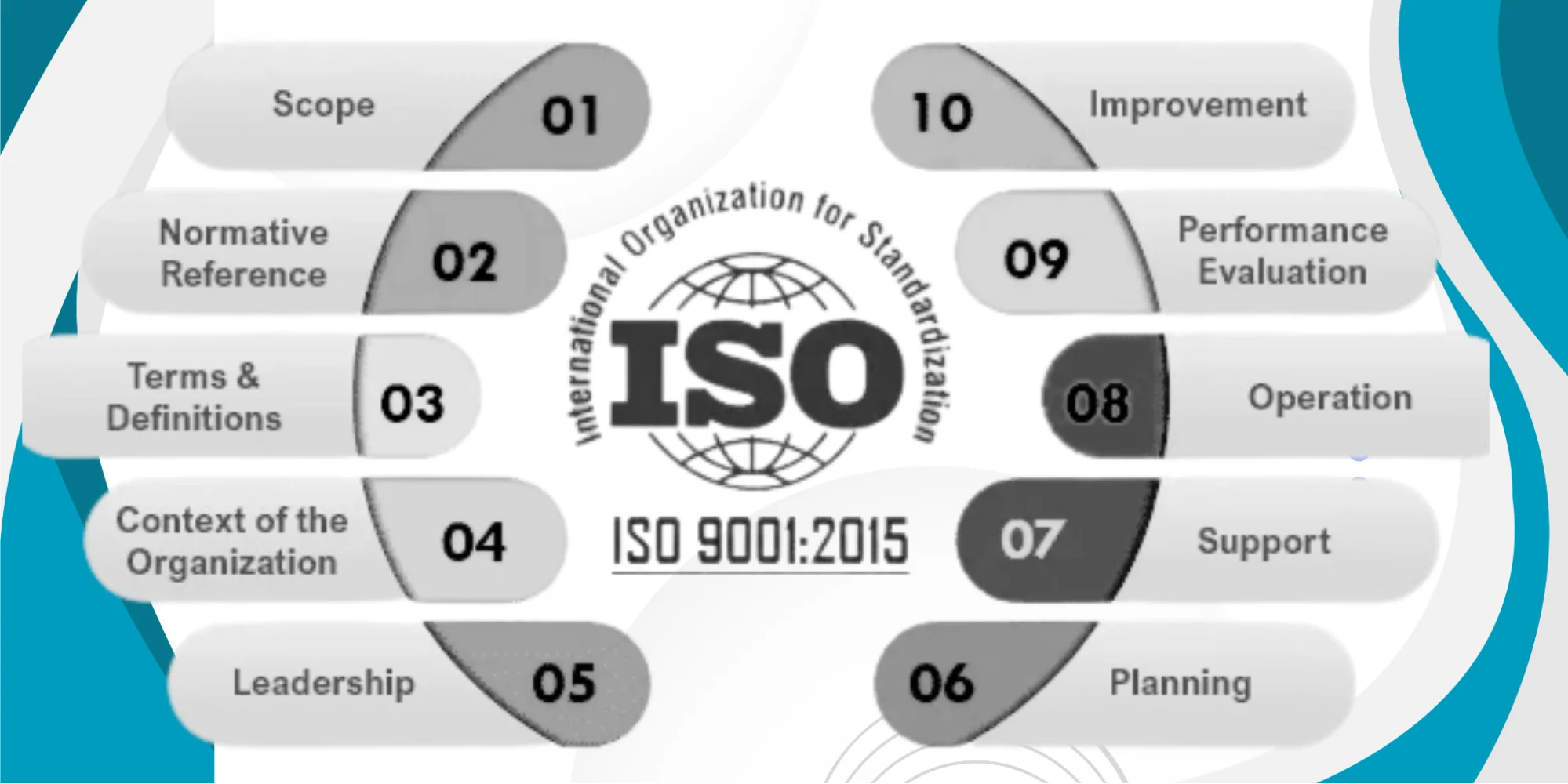
Here’s a simple truth: structured quality wins contracts. In competitive economies like Qatar, clients expect certified systems and documented controls. The ISO 9001 quality management system helps businesses standardise operations, reduce risks, and improve customer satisfaction through clear processes.
The International Organization for Standardization reports that ISO 9001 continues to lead global certification rankings, reinforcing its role as the benchmark for quality assurance. That recognition gives certified organisations stronger credibility in tenders and supplier approvals.
If your goal is sustainable growth and international recognition, let Qualitas Consulting simplify your ISO 9001 certification journey with expert local support.
What is ISO 9001?
The ISO 9001 standard is the world’s most widely used quality framework. It helps organisations create structured systems that ensure consistent quality and continuous improvement.
ISO Survey of Management System Standard Certifications, 2022 data shows that ISO 9001 had the highest number of certificates globally (over 1,265,216), far more than other standards.
Definition of ISO 9001 Quality Management System
A Quality Management System (QMS) in Qatar based on ISO 9001 is a structured framework that defines how an organisation manages quality across operations. It covers policies, processes, responsibilities, and performance tracking.
In simple terms, it answers three questions:
- How do you deliver consistent quality?
- How do you prevent mistakes?
- How do you keep improving?
The ISO 9001 quality management system certification proves that your organisation follows internationally recognised quality practices.
ISO 9001 Standard Overview (ISO 9001:2015)
The latest version is ISO 9001:2015, developed by the International Organization for Standardization under ISO/TC 176. This version focuses heavily on risk management and leadership involvement.
Key features:
- High-Level Structure (Annex SL)
- Easy integration into an Integrated Management System (IMS)
- Compatibility with ISO 14001 and ISO 45001
It is built around clear ISO 9001 quality management system clauses that define requirements for certification.
Purpose of a Quality Management System (QMS)
A QMS helps organisations create repeatable and reliable outcomes. Instead of fixing mistakes later, it promotes prevention.
Core objectives:
- Standardised Standard Operating Procedures (SOPs)
- Strong documentation control
- Measurable quality goals
- Process-driven decision making
Many companies use ISO as a process improvement framework to scale sustainably.
Global Recognition and Credibility
ISO 9001 is accepted in more than 170 countries. It signals international quality standards compliance, making it easier to work with global partners.
The International Accreditation Forum (IAF) confirms that ISO 9001 certification is recognised under multilateral recognition arrangements covering over 80 accreditation bodies worldwide, ensuring global acceptance.
It also:
- Improves vendor approvals
- Enables export readiness
- Builds stakeholder confidence
- Enhances corporate governance
This is why many organisations pursue ISO 9001 quality management system certification early in their growth journey.
Why ISO 9001 Matters for Businesses in Qatar
The demand for structured quality systems is rising rapidly across industries. The World Bank confirms that strong and predictable regulatory frameworks improve investor confidence and enhance competitiveness in emerging markets.
Growing Regulatory and Tender Requirements
Government tenders increasingly require tender eligibility ISO 9001 certification. Without it, many companies struggle to qualify.
It supports:
- Vendor registration
- Supplier prequalification
- Public sector compliance
- Regulatory compliance Qatar
Many procurement portals now prioritise ISO-certified vendors.
Government and Oil & Gas Sector Expectations
Industries like oil & gas, construction, and infrastructure rely heavily on certified suppliers. These sectors demand:
- Proven quality frameworks
- Documented processes
- Risk mitigation strategies
- Third-party validation
This is why ISO 9001:2015 certification in Qatar is common among contractors.
Competitive Advantage in Local and Global Markets
Certification gives companies a strong international competitive advantage. It differentiates your brand in crowded markets.
A study published in the International Journal of Production Economics found that companies certified to ISO 9001 experience improved operational performance and higher sales growth compared to non-certified firms.
Benefits include:
- Higher trust with multinational clients
- Faster approvals
- Stronger partnerships
- Enhanced stakeholder satisfaction
Alignment with National Development Goals
ISO adoption supports national visions focused on:
- Operational excellence
- Sustainability
- Innovation
- Quality governance
It helps businesses align with long-term development strategies.
Key Benefits of ISO 9001 Certification
Let’s explore the practical advantages businesses experience.
Improved Process Efficiency
ISO encourages structured workflows. This reduces confusion and duplication.
Results include:
- Less rework
- Better productivity
- Clear accountability
- Defined quality policy and SOP development
Many companies see measurable efficiency gains within months.
Stronger Customer Satisfaction
Customer expectations are rising. ISO helps deliver consistent service every time. ISO states that organisations implementing ISO 9001 report measurable improvements in customer satisfaction and process efficiency due to risk-based thinking and performance monitoring.
It improves:
- Complaint resolution
- Service consistency
- Feedback loops
- Customer Focus
Satisfied customers stay longer and refer more business.
Risk-Based Thinking and Compliance
The risk-based thinking ISO 9001 model shifts focus from reactive to proactive management. ISO 9001:2015 introduced mandatory risk-based thinking, aligning with modern corporate governance practices recognised globally.
Key outcomes:
- Fewer failures
- Strong compliance
- Reduced legal risks
- Better governance
This approach is essential for regulated industries.
International Credibility
Certification from an ISO accredited certification body adds credibility worldwide.
It enables:
- Cross-border contracts
- Supplier eligibility
- Global partnerships
- Stronger brand perception
This is especially valuable for exporters.
Higher Success in Tenders and Contracts
Many tenders award points for certification. Some make it mandatory. OECD reports that certified management systems improve supplier credibility in public procurement environments.
It improves:
- Bid evaluation scores
- Vendor acceptance
- Public sector eligibility
- Competitive positioning
ISO often pays for itself through new contracts.
Operational Cost Savings
Though certification has upfront costs, it reduces long-term waste.
Savings come from:
- Fewer errors
- Reduced scrap
- Lower warranty claims
- Efficient resource usage
This makes ISO a strategic investment.
The 7 Quality Management Principles of ISO 9001
These principles form the backbone of ISO 9001.
| Principle | Meaning |
| Customer Focus | Understand and exceed customer needs |
| Leadership | Strong leadership commitment drives quality culture |
| Engagement of People | Empower employees at every level |
| Process Approach | Manage activities as interconnected processes |
| Continuous Improvement | Embed Continuous Improvement Process (CIP) |
| Evidence-Based Decision Making | Use data-driven insights |
| Relationship Management | Build strong supplier relationships |
These Quality Management Principles guide sustainable excellence.
Who Needs ISO 9001 Certification in Qatar?
ISO 9001 is flexible and suits almost every industry.
- SMEs and Startups: Startups use ISO to build credibility and attract investors. It creates a structured foundation for scaling.
- Construction and Engineering Companies: These sectors rely on process control and compliance. Certification supports large infrastructure contracts.
- Oil & Gas Contractors: Vendor approval systems often demand certification. ISO strengthens safety and quality frameworks.
- Healthcare and Education: Institutions use ISO to improve patient and student experiences. It supports accreditation readiness.
- Manufacturing and Logistics: Manufacturers benefit from process standardisation. It improves traceability and supply chain control.
- Service-Based Businesses: Consultancies and IT firms use ISO to ensure service consistency and reliability.
Step-by-Step ISO 9001 Certification Process in Qatar
Understanding the journey removes uncertainty.
Gap Analysis
An ISO 9001 gap analysis Qatar compares your current processes with ISO requirements. It identifies risks and improvement areas.
Documentation Development
This stage involves:
- Quality manual creation
- SOP documentation
- Policy drafting
- Records structure
Strong ISO 9001 documentation support ensures compliance.
Implementation and Training
Teams learn new processes through workshops and coaching. Many organisations invest in ISO 9001 lead auditor training for internal expertise.
Internal Audit
An ISO 9001 internal audit evaluates readiness before certification. It identifies non-conformities and improvement opportunities.
Management Review
Leadership conducts a management review meeting to assess performance, risks, and improvements.
Certification Audit (Stage 1 & 2)
A third-party Certification audit includes:
- Stage 1 audit – Documentation review
- Stage 2 audit – Implementation verification
An accredited certification body in Qatar conducts this.
Certification Issuance
Once approved, the certification is valid for three years. An annual ISO 9001 surveillance audit ensures continued compliance.
Explore our ISO consulting services.
Requirements for ISO 9001 Certification
Here are the core ISO 9001 quality management system requirements.
Essential Requirements Checklist
- Documented QMS
- Defined quality policy
- Process mapping
- Risk assessments
- Performance monitoring
- Corrective actions
- Management reviews
These requirements apply across industries.
How Long Does ISO 9001 Certification Take in Qatar?
Most companies complete certification within 4–12 weeks.
Typical Timelines
| Company Type | Estimated Duration |
| Small businesses | 4–6 weeks |
| Mid-sized firms | 6–10 weeks |
| Large enterprises | 10–12 weeks |
Factors Affecting Duration
- Existing documentation maturity
- Staff readiness
- Scope complexity
- Multi-site operations
Fast-Track Options
Working with ISO 9001 consultants in Qatar accelerates certification through structured frameworks and ready templates.
Cost of ISO 9001 Certification in Qatar
Understanding the ISO 9001 cost in Qatar helps with budgeting.
Factors Influencing Cost
- Organisation size
- Industry complexity
- Number of sites
- Documentation readiness
Consultancy vs Certification Body Costs
| Cost Type | Description |
| Consultancy fees | Implementation and training |
| Audit fees | Third-party certification |
| Surveillance costs | Annual compliance audits |
ROI Perspective
ISO delivers strong returns through:
- Tender wins
- Process efficiency
- Brand credibility
- Reduced risk
Many companies recover their investment within the first year.
Common Challenges Businesses Face
Awareness of challenges helps with smoother implementation.
- Documentation Complexity: Creating structured SOPs can feel overwhelming without expert guidance.
- Employee Resistance: Change management is crucial. Staff engagement drives success.
- Poor Implementation: Rushed implementation leads to audit failures.
- Choosing the Wrong Consultant: Inexperienced providers may delay certification.
Why Choose a Professional ISO Consultant in Qatar
The professional assistance simplifies the process.
- Faster Certification: Consultants offer ready frameworks and tested techniques.
- Audit Readiness: They prepare organizations to succeed in third-party audits.
- Compliance Assurance: Professionals align your organization with accredited conformity assessment bodies.
- Reduced Risk of Failure: Correct guidance minimizes delays and removes nonconformities.
Partner with our ISO experts today.
Why Partner With Qualitas for ISO 9001 in Qatar
Choosing the right partner makes a major difference.
- Local Expertise: We are highly familiar with local policies and business.
- Proven Certification Success: We have a successful history in various industries and company scales.
- End-to-End Support: From ISO 9001 implementation services to audits and training.
- Industry-Specific Solutions: Our bespoke solutions are designed to support your business model.
- Fast Approvals: Our streamlined operations provide faster certification approvals.
Final Thoughts on ISO 9001 Certification in Qatar
Adopting the ISO 9001 quality management system is more than a certification; it’s a transformation. It strengthens processes, builds trust, and opens global opportunities.
Whether you want better efficiency, stronger credibility, or improved tender eligibility, ISO 9001 delivers measurable results. With the right guidance and a structured approach, certification becomes a smooth and rewarding journey.
Is your organization ready to grow with confidence? This is the right moment to adopt a world-class quality framework and realise long-term success.
FAQs
ISO 9001 is a global standard that informs organisations about how to develop a structured Quality Management System (QMS). A QMS provides consistent quality, process improvement, and customer satisfaction.
The seven principles are:
1. Customer Focus
2. Leadership
3. People Engagement
4. Process Approach
5. Continuous Improvement
6. Evidence-Based Decision Making
7. Relationship Management
A QMS refers to an organized system of processes and policies that assists an organization in providing quality products or services and continuously improving over a period of time.
Typical QMS steps include:
1. Gap analysis
2. Planning
3. Documentation
4. Implementation
5. Training
6. Internal audit
7. Continuous improvement
The four common pillars are:
1. Quality planning
2. Quality control
3. Quality assurance
4. Continuous improvement
The new seven QC tools are:
1. Affinity Diagram
2. Relations Diagram
3. Tree Diagram
4. Matrix Diagram
5. Prioritisation Matrix
6. Process Decision Program Chart (PDPC)
7. Activity Network Diagram